The University Is Your First Investor
Before a faculty founder ever meets a VC, the university has already set the terms. For a long time, those terms were the problem.
OCT 1 · James Wang

Before a faculty founder ever meets a VC, the university has already set the terms. For a long time, those terms were the problem.
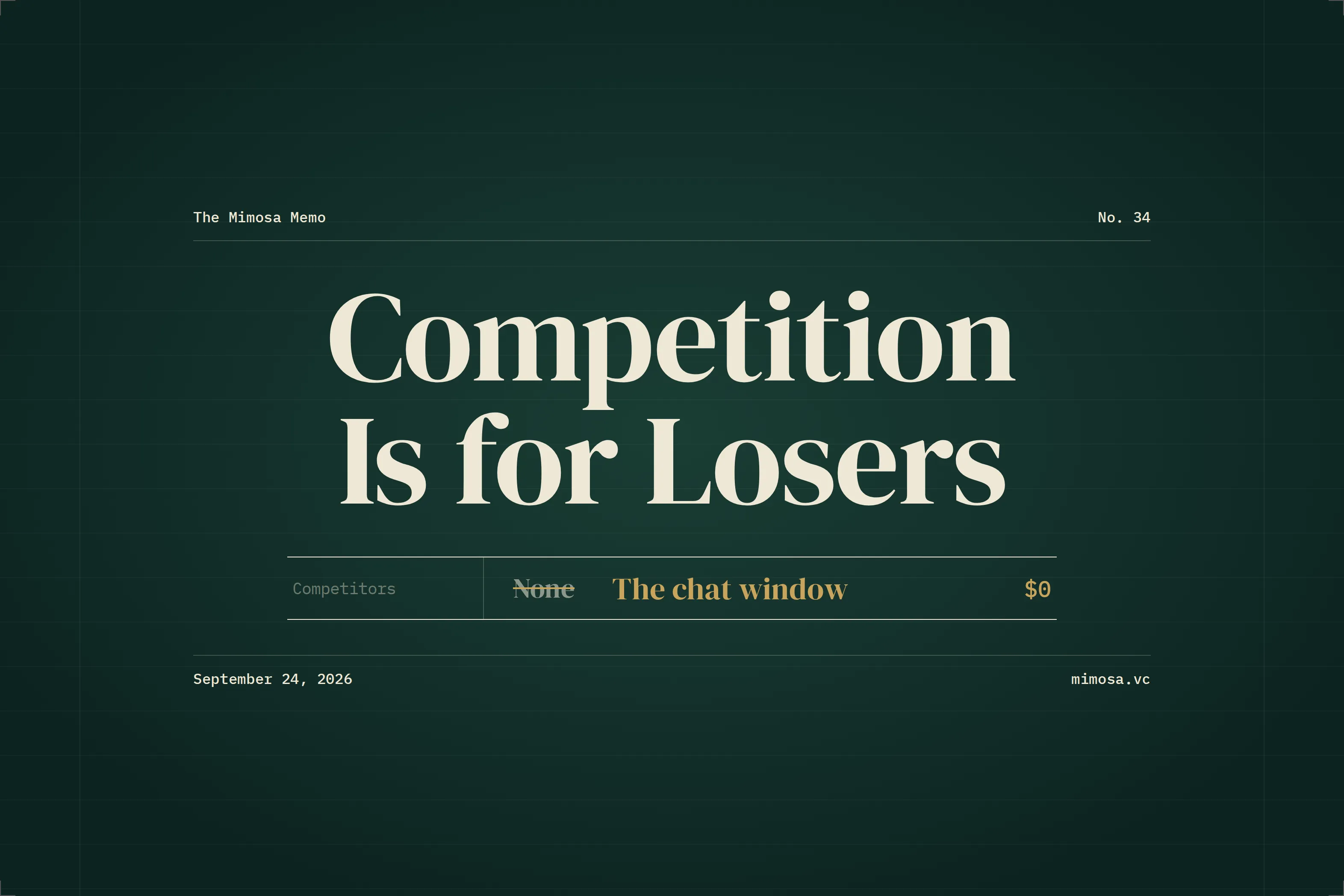
Every AI-powered pitch has a competitor it forgets to list, which is the customer typing the prompt themselves. Here's how I think about which startups survive the chat window.
DFW has no shortage of angel groups and accelerators. The trouble starts when a pre-seed founder asks who writes the first check.
When redoing a workflow is a week of work instead of a quarter, you stop repairing things and start throwing them out.
When the model vendor and the system of record shake hands, the companies sitting between them stop having a reason to exist.
I encourage my students to use AI, but that just means the expectations all around are higher.

Five conversations after a VC panel, all with the same problem. Nobody coaches founders on the human part of raising money.
Equity is (sort of) forever, but advisor value is not.
AI has made work cheaper and easier. Nothing beats being in a room with people anyway.
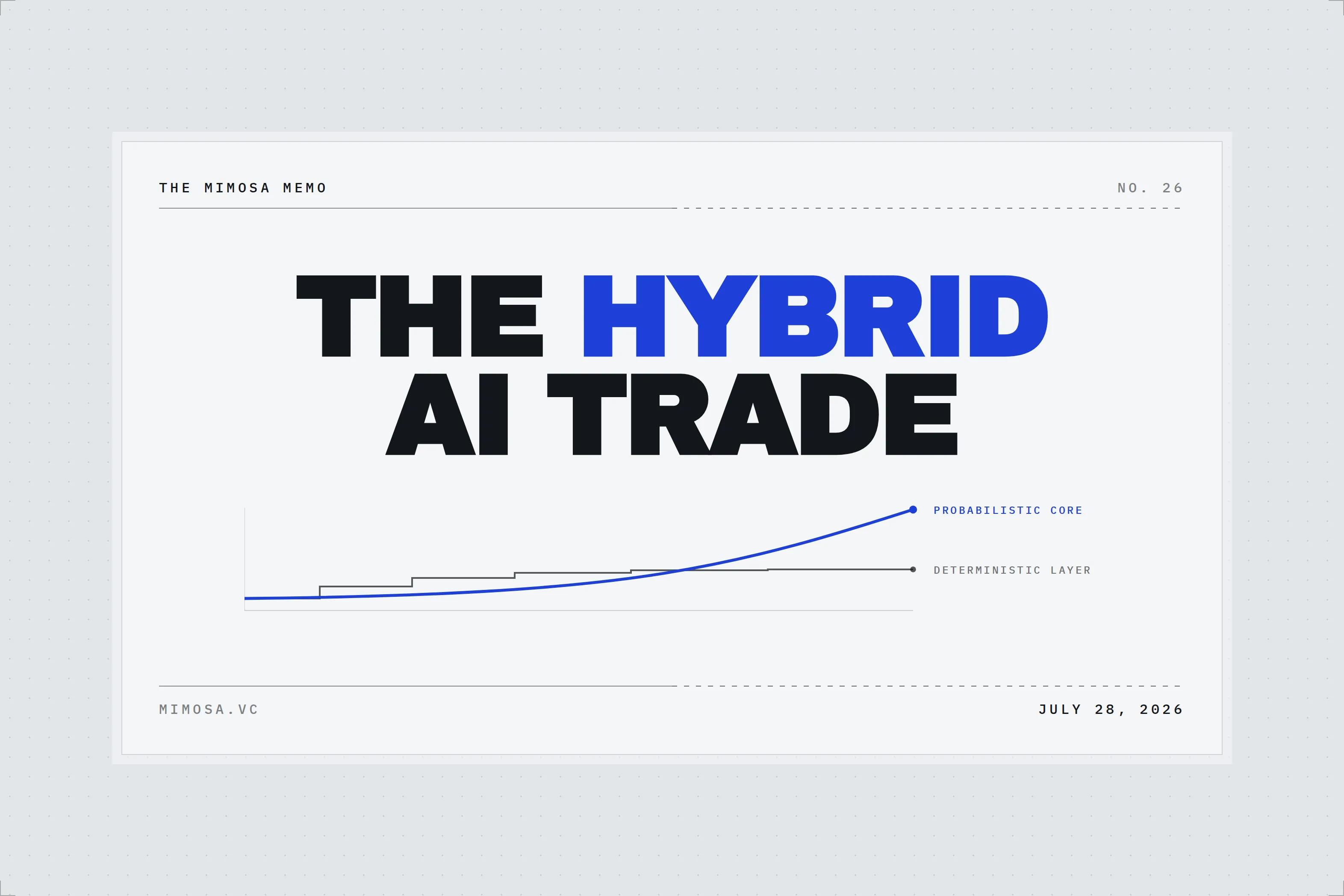
In 1958, hybrids were the future of computing. That held for about a decade, and AI is running the same architecture bet now.
Venture capital funds the exceptions, which makes it the wrong instrument for many companies.
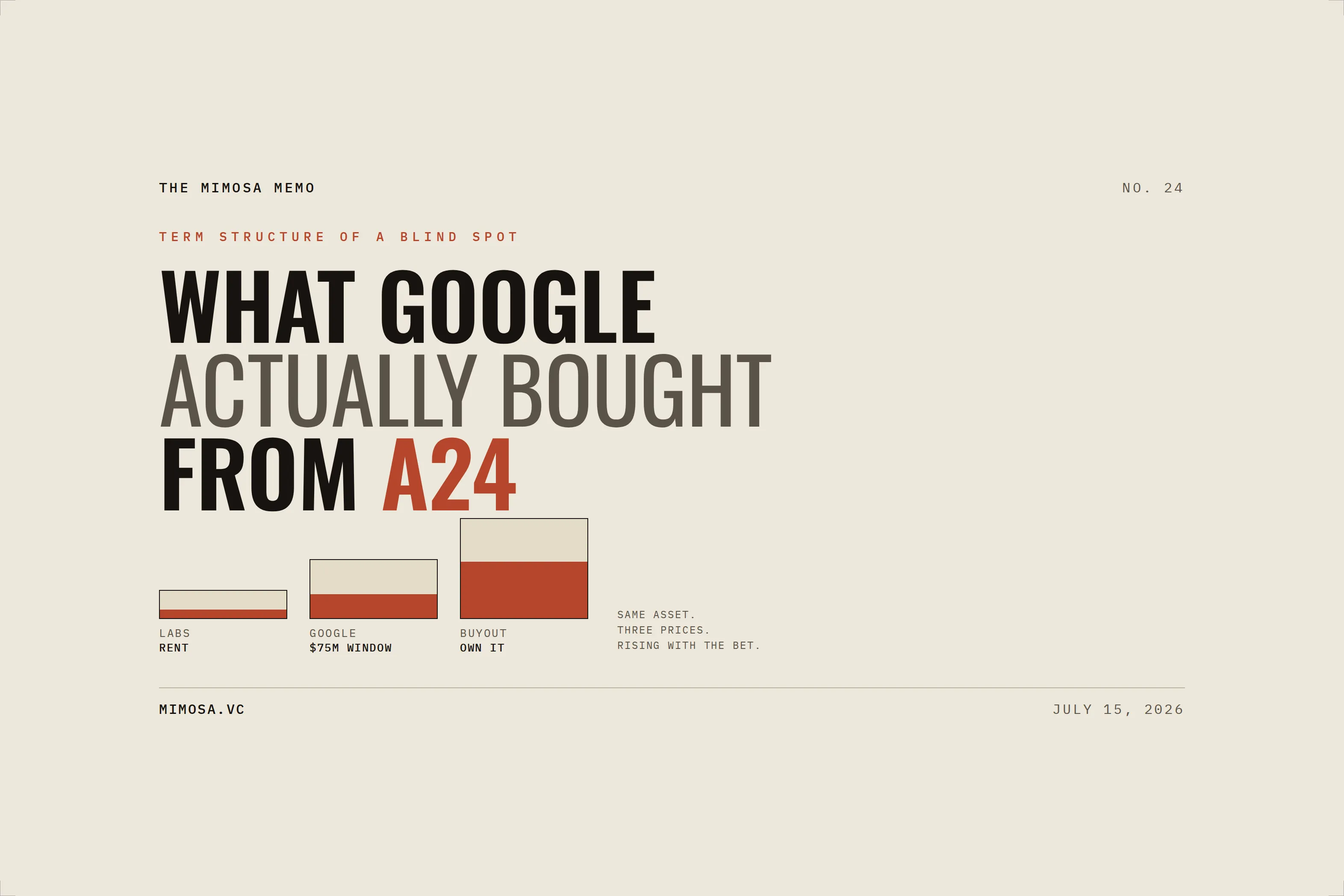
A24 charged Google $75 million for the kind of access most companies pay to hand over, one API call at a time.
AI collapsed the cost of writing software. It never collapsed the cost of owning it.

A founder building on the frontier models had the team, the product, and the design partners. He still couldn't answer the only question that matters.
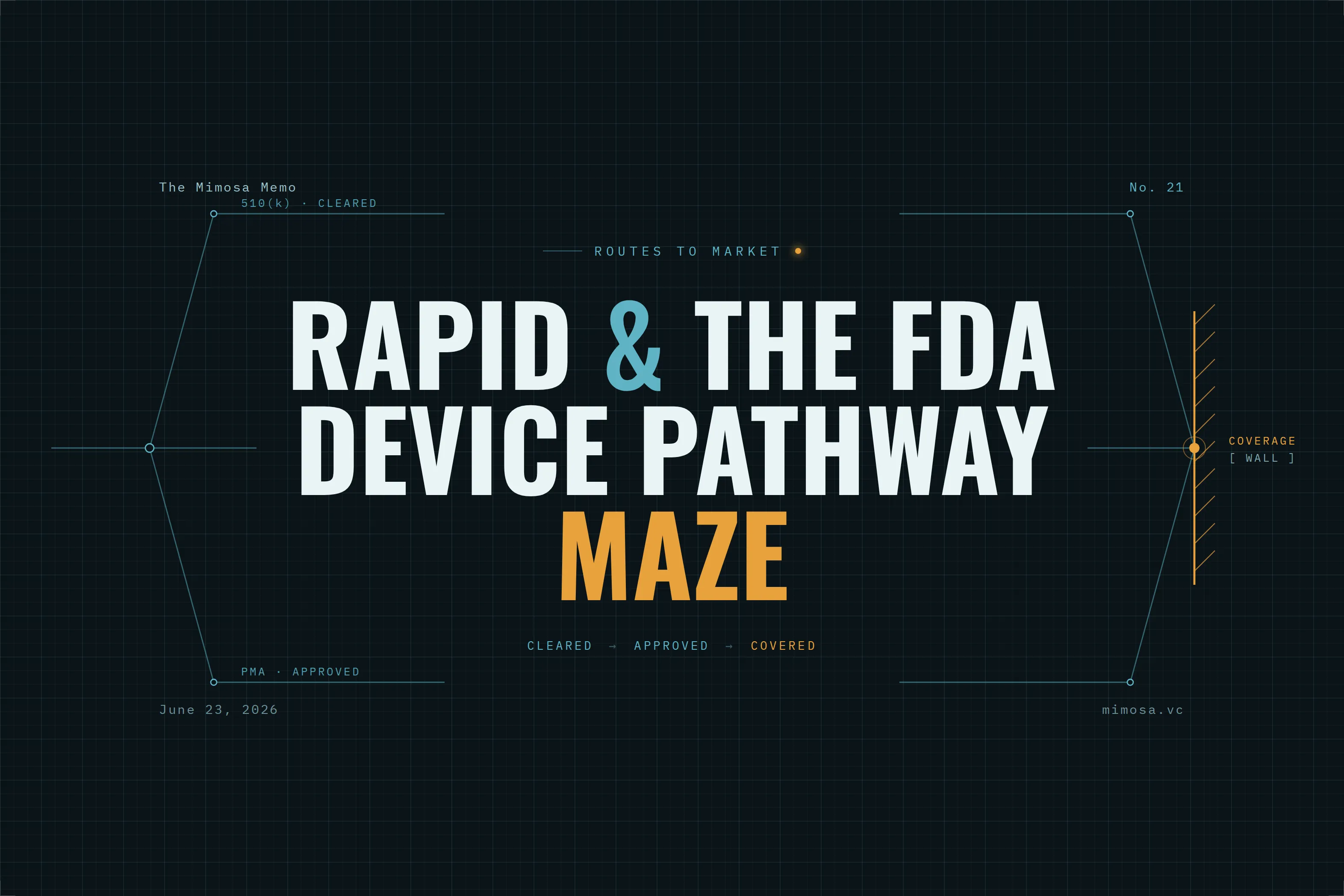
FDA clearance lets you sell the device. It doesn't make anyone pay for it. A field guide to the routes to market, and the wall right after.
Soccer has a clock, tennis has none, and your startup has one too. The only thing that pushes the whistle back is real revenue.

A working product gets you in the room. Closing the deal means making a nervous institution feel safe choosing you.

Two weeks in Dallas startup rooms. The founders are here in force, the scaffolding's going up, and the capital still commutes in from somewhere else.
Customer discovery doesn't fail because founders skip it. It fails because they ask the wrong questions to the wrong people.
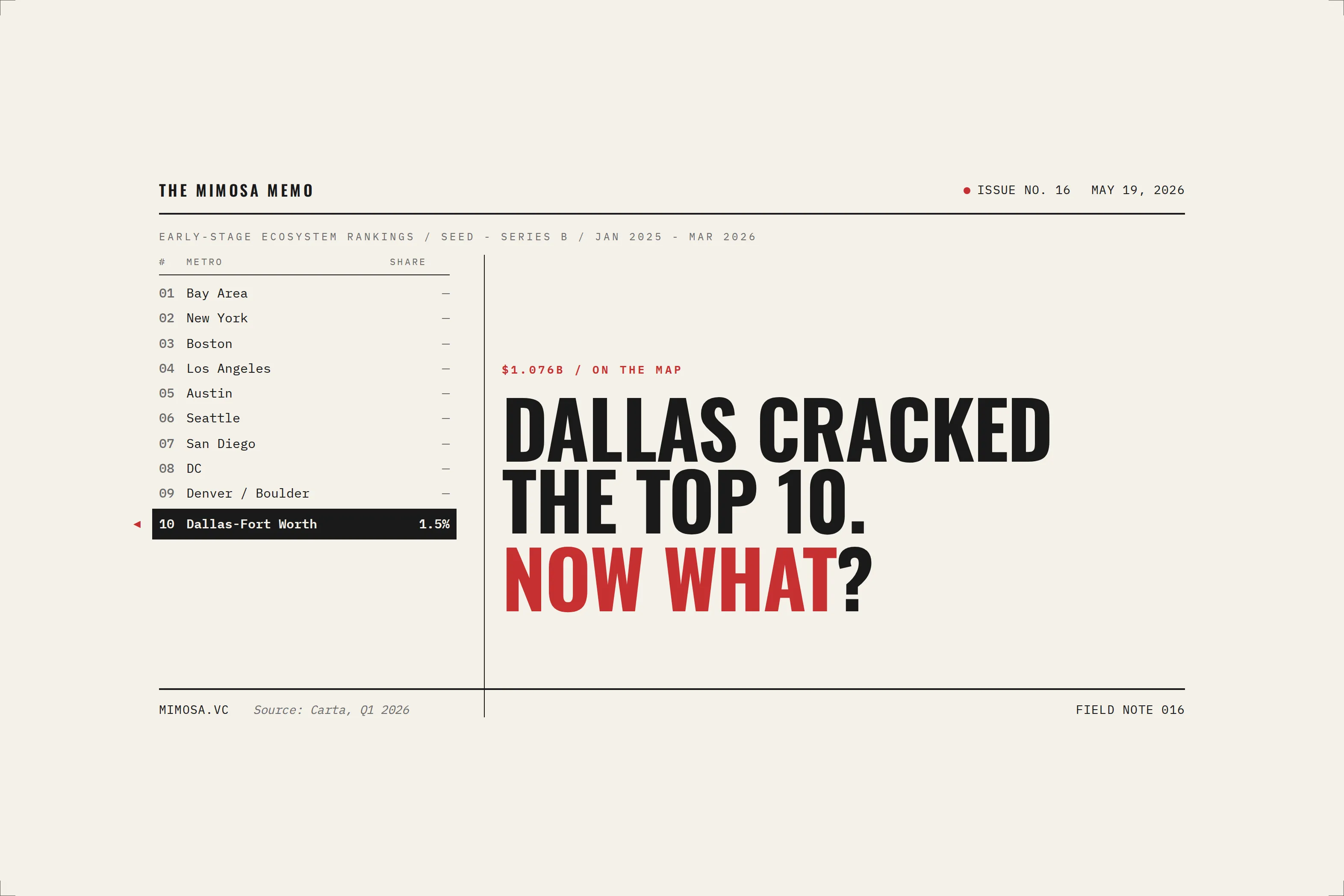
We're on the venture map for the first time. The interesting question isn't whether we made it. It's what lane Dallas actually owns.
Claude and Codex trade blows. DeepSeek ships at a tenth the price. None of it matters as much as who deploys it inside the business.
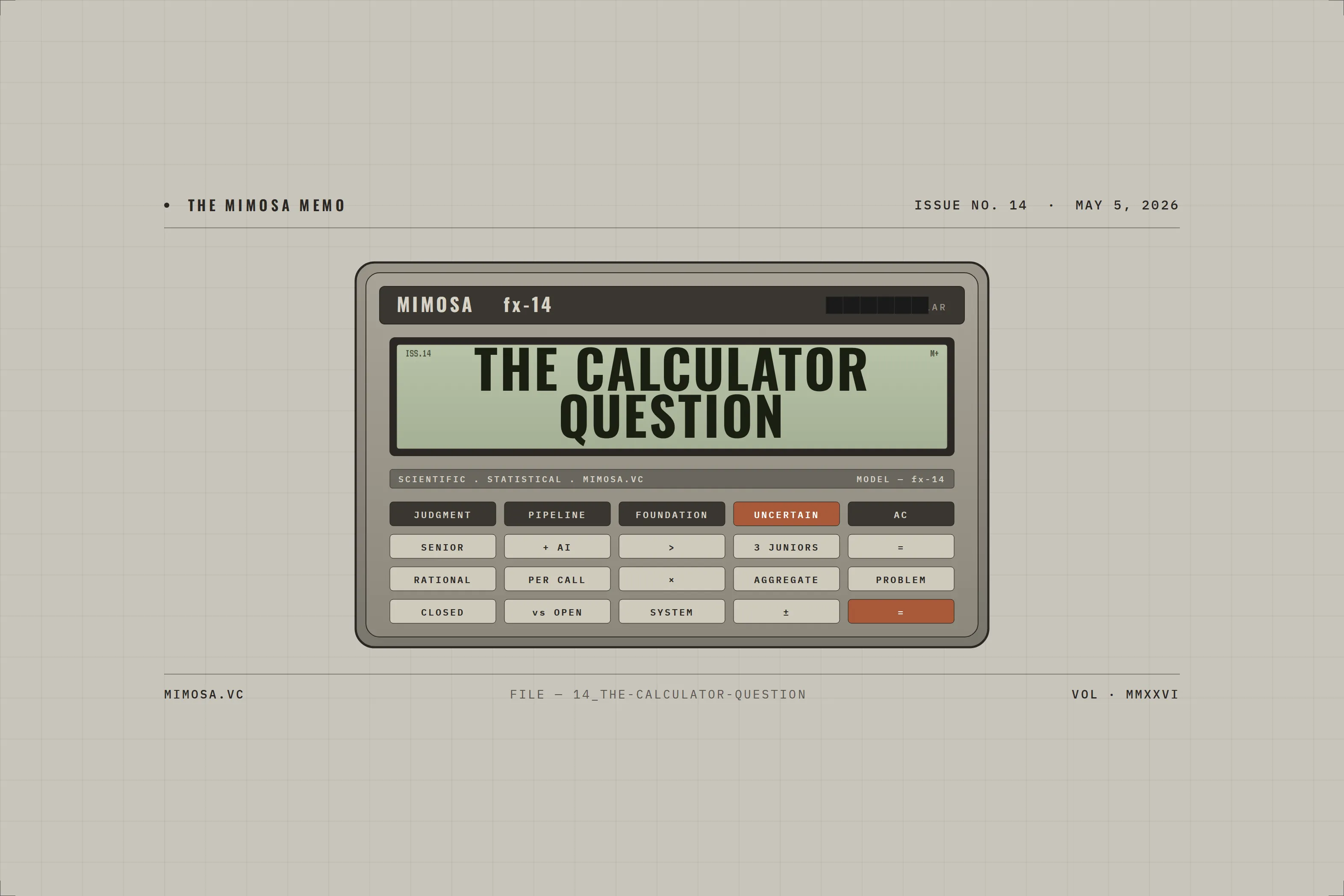
Every generation's new tools look like cheating to the previous one. Calculators didn't make kids innumerate. AI probably won't either.
Five events in four days, and what an ecosystem looks like when it's real but still figuring out its standards.
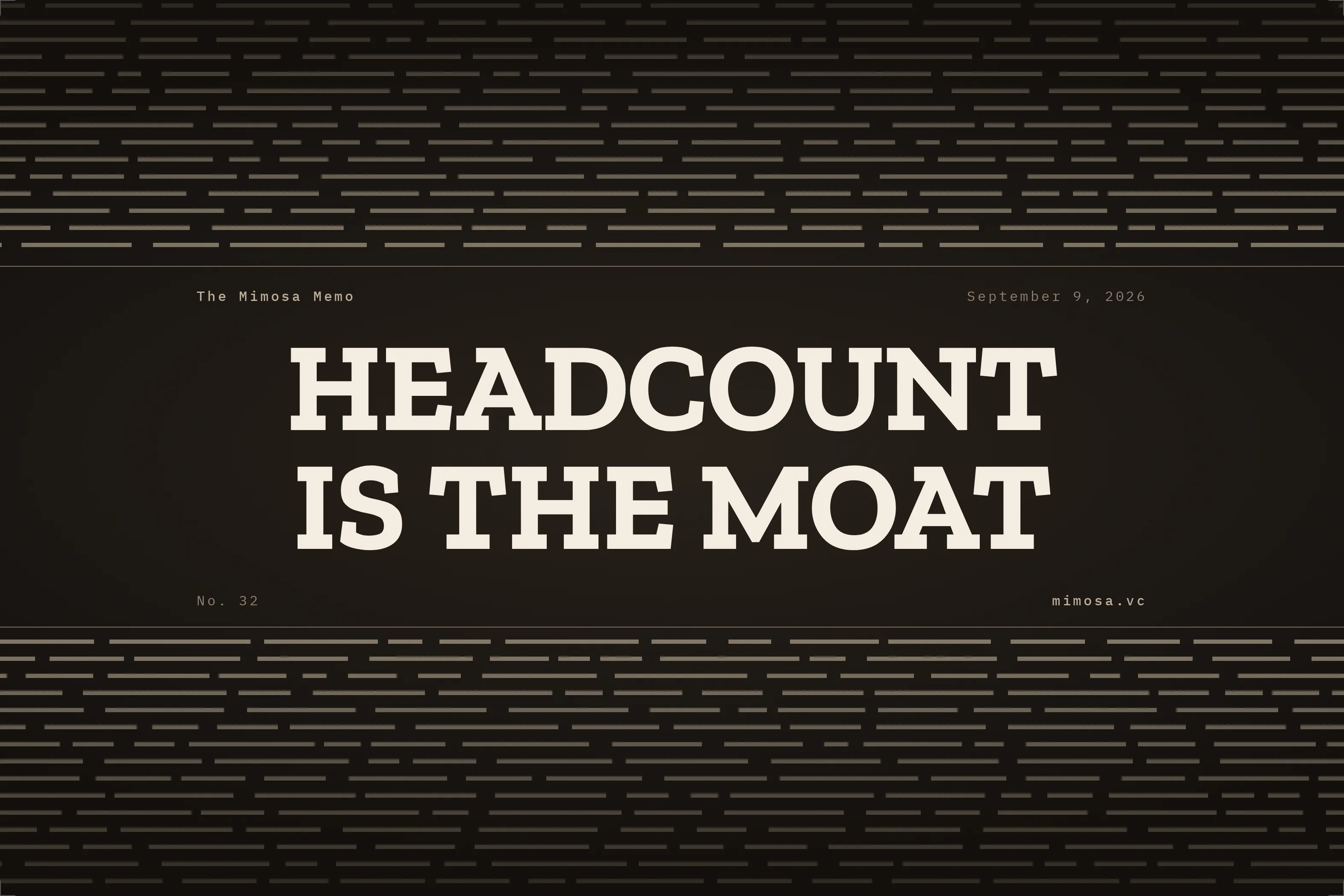
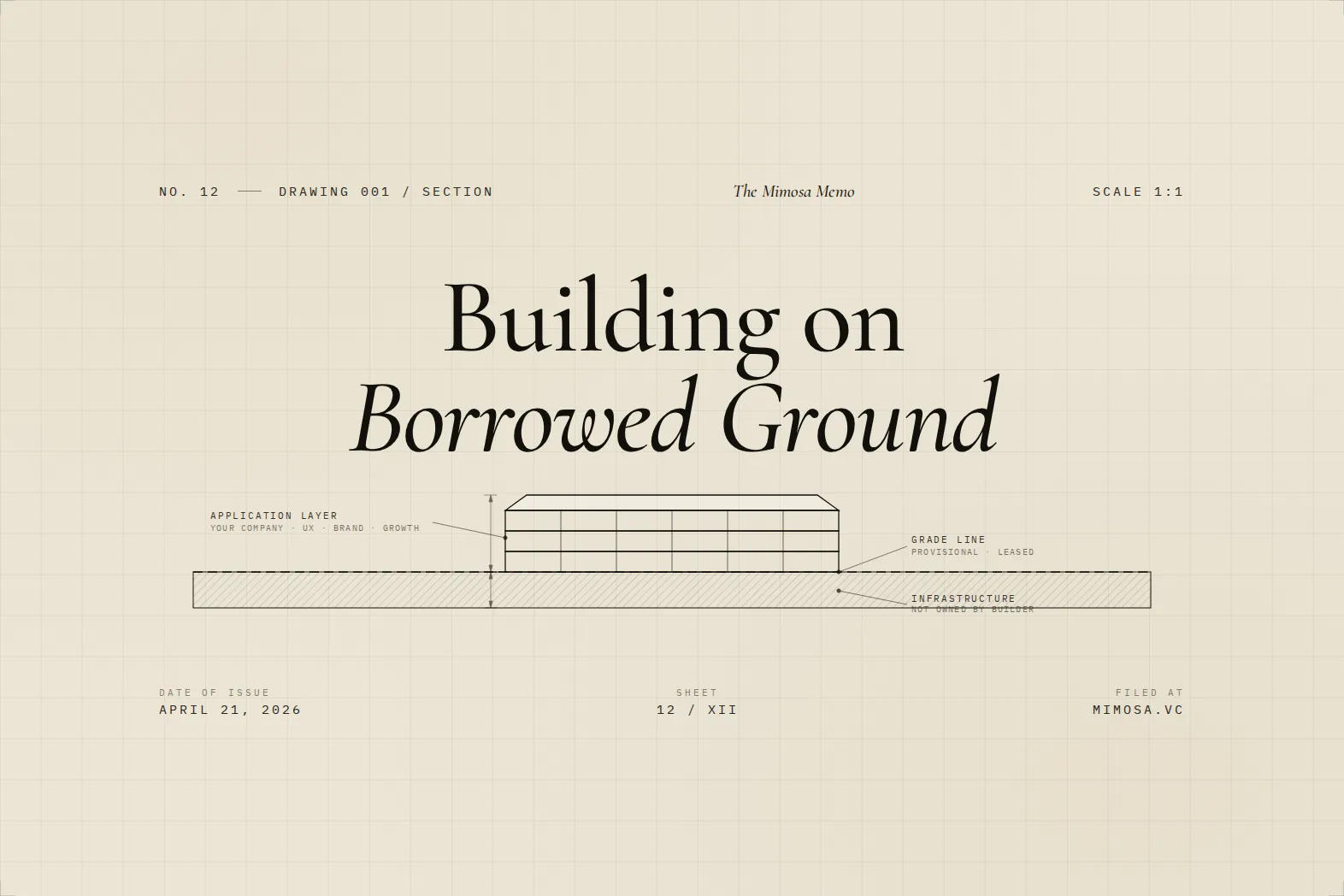
Your moat isn't your product. It's whatever the platform underneath you can't copy at cost.
Inflation doesn't just compress valuations. It makes entire categories of startups structurally unfundable at any price.
AI compressed the startup maturity curve. Seed companies look more polished than ever. That's not a compliment.

Healthcare isn't short on good science. It's short on affordable ways to prove the science works.
Why the companies who define how customers measure success are the hardest to replace.
I'm lazy. Genuinely lazy. I've also spent real energy figuring out how to be lazy more effectively.
The thing that makes a founder great at five employees is the same thing that breaks them at fifty.
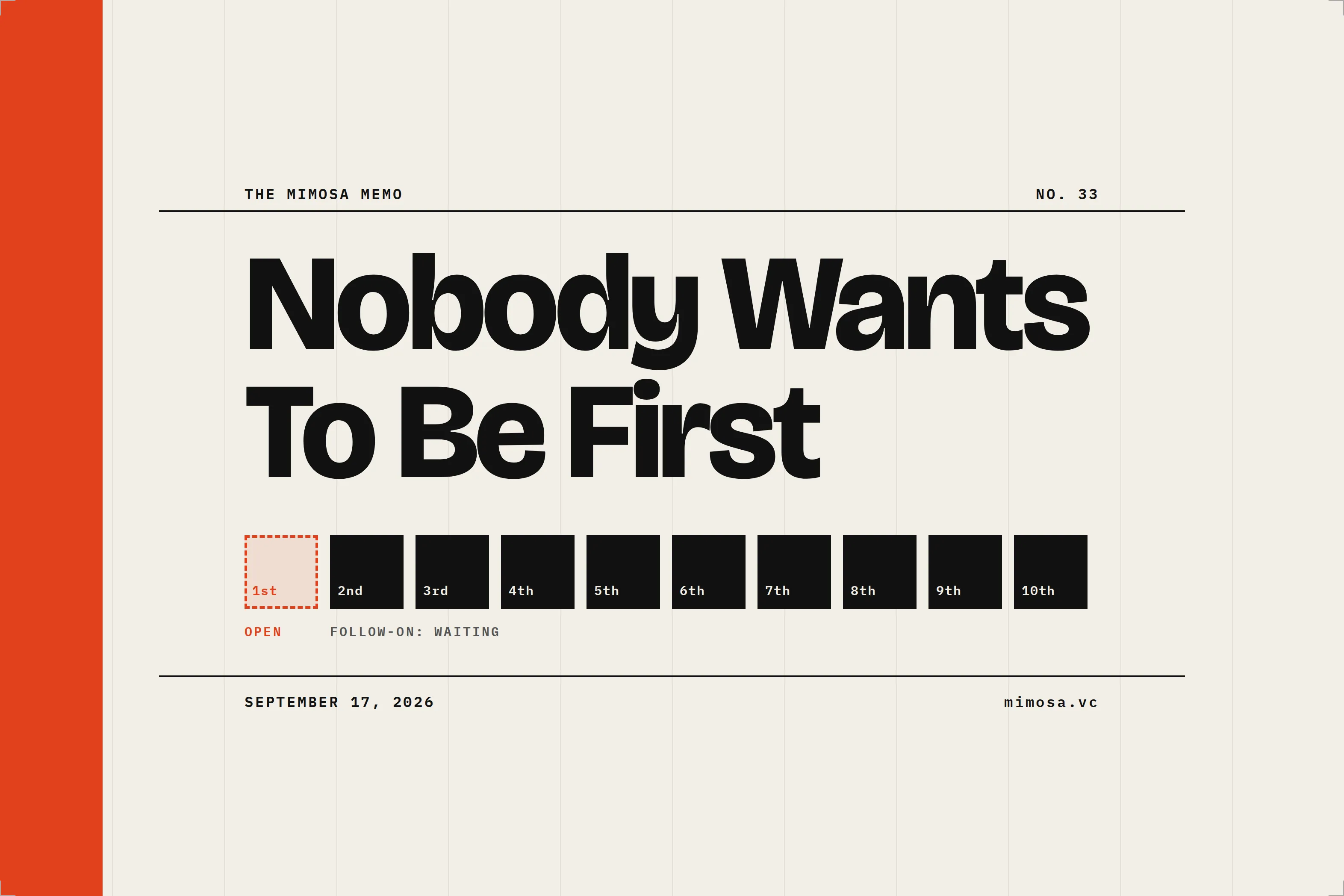
Many startups don't die from obvious failure. They die from looking busy while nothing compounds.
The engineer who joined after your round didn't see the term sheet. They just inherited the strike price.

A high early valuation feels validating. It also quietly reduces every option you have later.

Boring is a feature, not a bug. Every platform that matters started as plumbing.

Writing forces clarity. If an idea doesn’t survive being written down, it probably shouldn’t survive capital allocation either.
No memos found matching your search.